The Convergence of HR Tech: Integrating AI Across Your HR Ecosystem
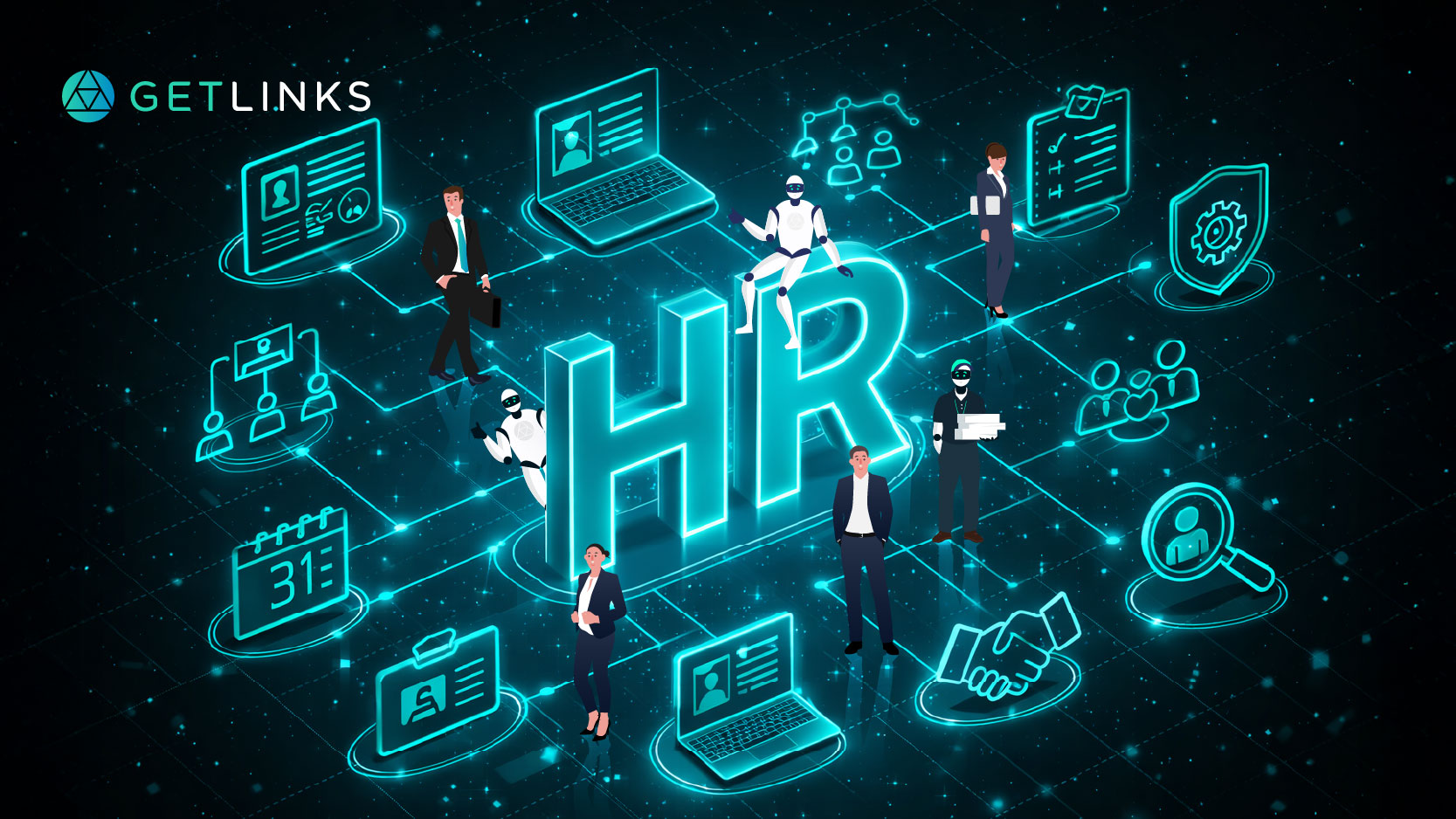
The HR technology landscape has evolved from a collection of siloed tools to a complex ecosystem of interconnected platforms. Today’s market is full of specialized solutions, from Applicant Tracking Systems (ATS) to Learning & Development (L&D) platforms and Human Resources Information Systems (HRIS). The real power, however, lies in how these systems communicate with each other. The ultimate goal is to create a seamless, intelligent, and data-driven experience for both employees and HR professionals. The key to achieving this is the strategic integration of AI across your entire HR ecosystem.
The Challenge of Integration: Avoiding a Patchwork of Tools
Many HR departments have accumulated a patchwork of tech solutions over time. Each system may be highly effective on its own, but a lack of integration leads to fragmented data, manual processes, and a disjointed user experience. For example, a new hire’s data might need to be manually entered into an HRIS after they’ve been processed in the ATS, a task that is both inefficient and prone to error.
The solution is not to replace every system at once, but to create a cohesive strategy for integration. AI acts as the connective tissue, allowing these disparate systems to share data and automate workflows. An AI-powered ATS, for instance, can not only screen resumes but can also automatically push a candidate’s information directly into the HRIS upon hiring, triggering the onboarding process without human intervention.
Best Practices for a Seamless and Intelligent HR Ecosystemต่อ
Create a Centralized Data Hub
At the core of a well-integrated ecosystem is a central data hub, often your HRIS. All other systems (e.g., your ATS, L&D platform, or performance management tool) should be able to send and receive data from this hub via Application Programming Interfaces (APIs). This ensures that all platforms are working with a single source of truth, minimizing data discrepancies.
Standardize Your Data
Before integrating, ensure your data is clean and consistent across all platforms. Inconsistent data fields (e.g., “start date” vs. “hire date”) can cause integration failures. AI can even assist with data cleansing by identifying and flagging inconsistencies before they become a problem.
Implement AI-Powered Workflows
Once your systems are connected, use AI to automate key workflows.
Recruitment to Onboarding: An AI-powered ATS screens candidates and, once an offer is accepted, automatically creates a new employee profile in the HRIS. The HRIS then triggers an onboarding workflow in the L&D platform.
Performance to Promotion: A performance management tool uses AI to analyze employee feedback and goal progress. This data is then sent to the HRIS, which can use it for succession planning and career pathing.
Vendor Selection and Integration Strategies
For HR leaders, making smart decisions during the vendor selection and integration phase is paramount.
Vendor Selection
Prioritize Open APIs
When evaluating new HR tech, a key question to ask is: “Does this platform have a robust and open API?” A system with a well-documented API will be much easier to integrate into your existing ecosystem.
Look for AI Built-in, Not Bolted On
Choose vendors who have natively integrated AI into their platform, rather than simply adding it as an afterthought. This ensures the AI is deeply embedded in the system’s functionality and provides a more cohesive experience.
Consider a Single Vendor Approach (With Caution)
While a single-vendor solution can simplify integration, it may not offer best-of-breed functionality for every HR function. A hybrid approach of a core HRIS and specialized, integrated platforms is often the most effective strategy.
Integration Strategies
Start with a Clear Blueprint
Before you begin, create a visual map of your current and future HR tech ecosystem. Understand what data needs to flow between each system and in what direction.
Work with a Dedicated Integration Partner
If you don’t have in-house expertise, consider hiring an IT or consulting partner specializing in HR tech integrations. They can help you navigate the technical challenges and ensure a smooth rollout.
Test and Refine
Before going live, thoroughly test the integrated workflows. Simulate various scenarios—a new hire, a promotion, a termination, to ensure all data flows correctly between systems. Continue to monitor and refine the integrations post-launch.
With careful planning and a thoughtful integration strategy, HR professionals can move beyond the challenges of using fragmented, complex, and disconnected tools. This enables them to build a truly intelligent, seamless, and strategic HR ecosystem within their organization.
And if you’d like to start familiarizing yourself with AI tools, feel free to explore GetLinks AI Career Coach and see how it can support you here